
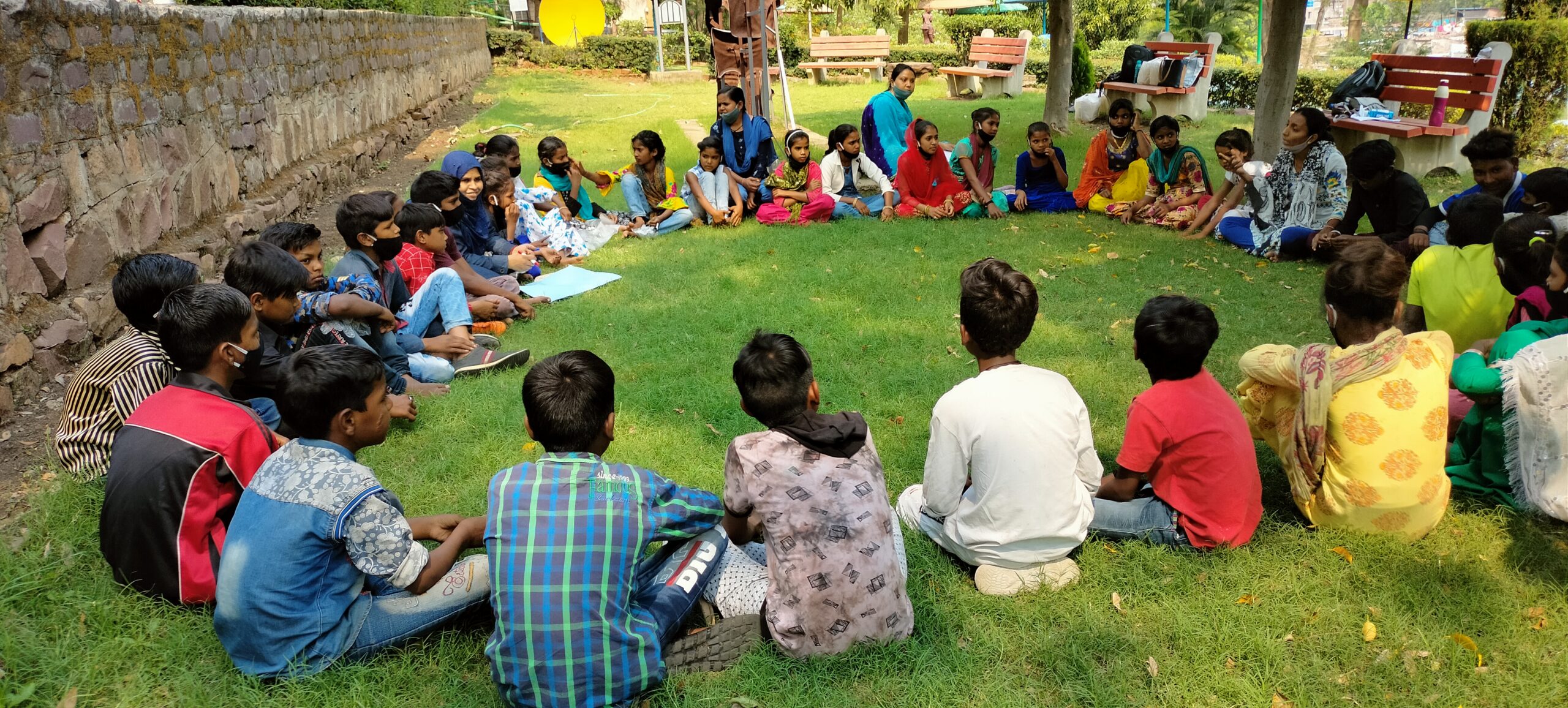
Some stories are never meant to stay at the margins.
Yet entire communities in our country have spent generations being pushed there - labelled, excluded, criminalised, silenced.
Some stories are never meant to stay at the margins.
Yet entire communities in our country have spent generations being pushed there - labelled, excluded, criminalised, silenced.
About Muskaan
At Muskaan, our work emerges from the belief that people who have lived through injustice are also the ones most capable of imagining and shaping change.
Since 1998, Muskaan has been working alongside Denotified and Nomadic Tribal communities, Adivasi, Dalit and other marginalized communities in bastis and villages around Bhopal. Many of these communities continue to live with the violence of historical injustice created by the Criminal Tribes Act of 1871, where entire communities were branded “criminal” by birth. Though the law was repealed, the stigma never disappeared. Its impact continues through police violence, denial of rights, forced displacement, interrupted education, and everyday discrimination.
Our work is rooted in correcting this injustice through solidarity, collective learning, and community-led action.
Rather than working through fixed models and predetermined solutions, Muskaan has grown slowly through relationships, conversations, and shared experiences within communities. The spaces we build continue to evolve with the people who inhabit them - shaped by their questions, needs, imaginations and struggles. Over the years, many children and young people who first entered these spaces as participants have gradually become facilitators, counsellors, artists, educators and community leaders themselves, carrying the work forward in their own ways.
Our work grows through many interconnected spaces
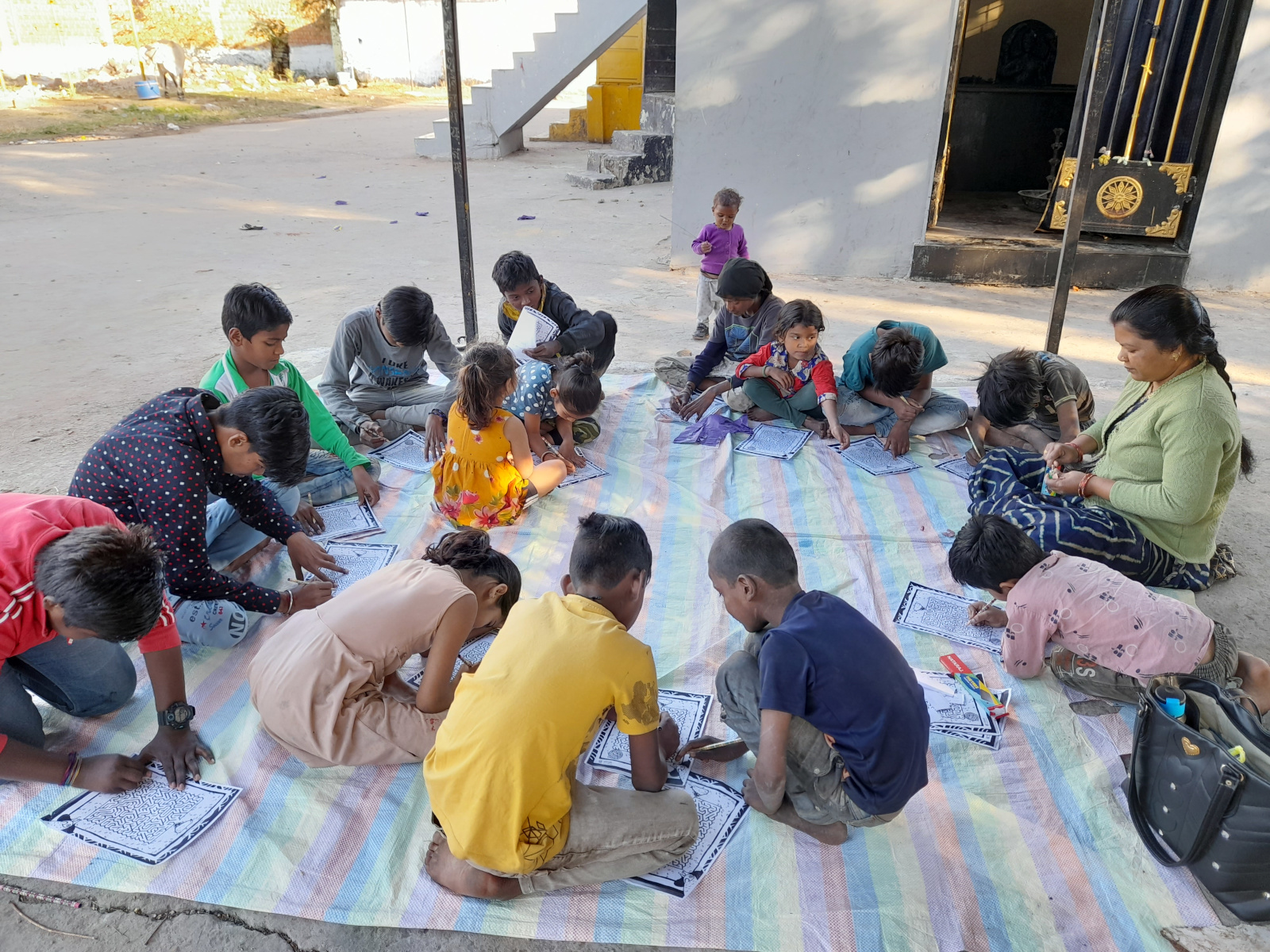
Alternative education spaces where children learn through theatre, games, music, storytelling, sports, discussions and multilingual learning rooted in their lived realities
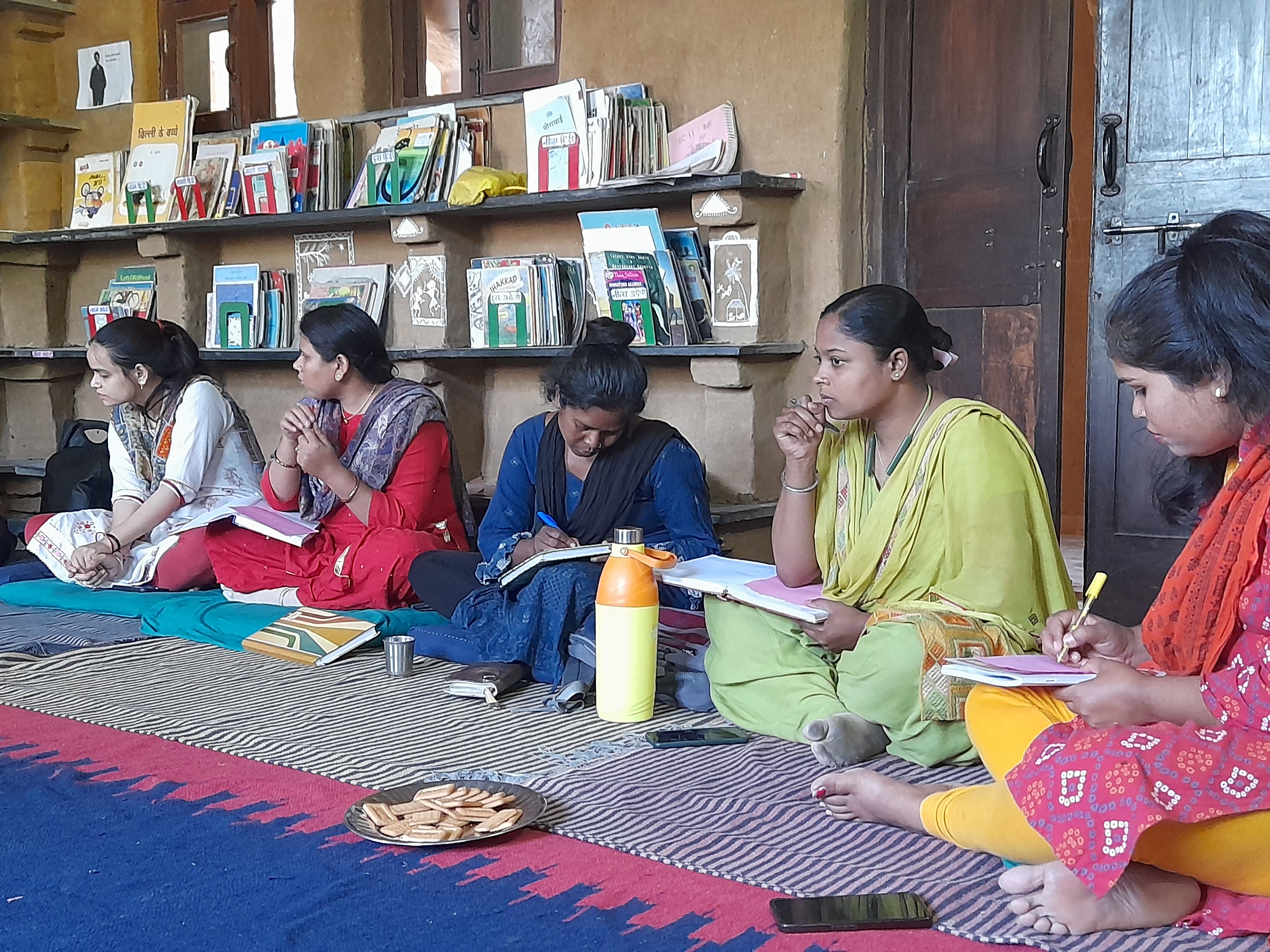
Libraries inside bastis that make books, conversations and imagination accessible to children who are often excluded from reading cultures
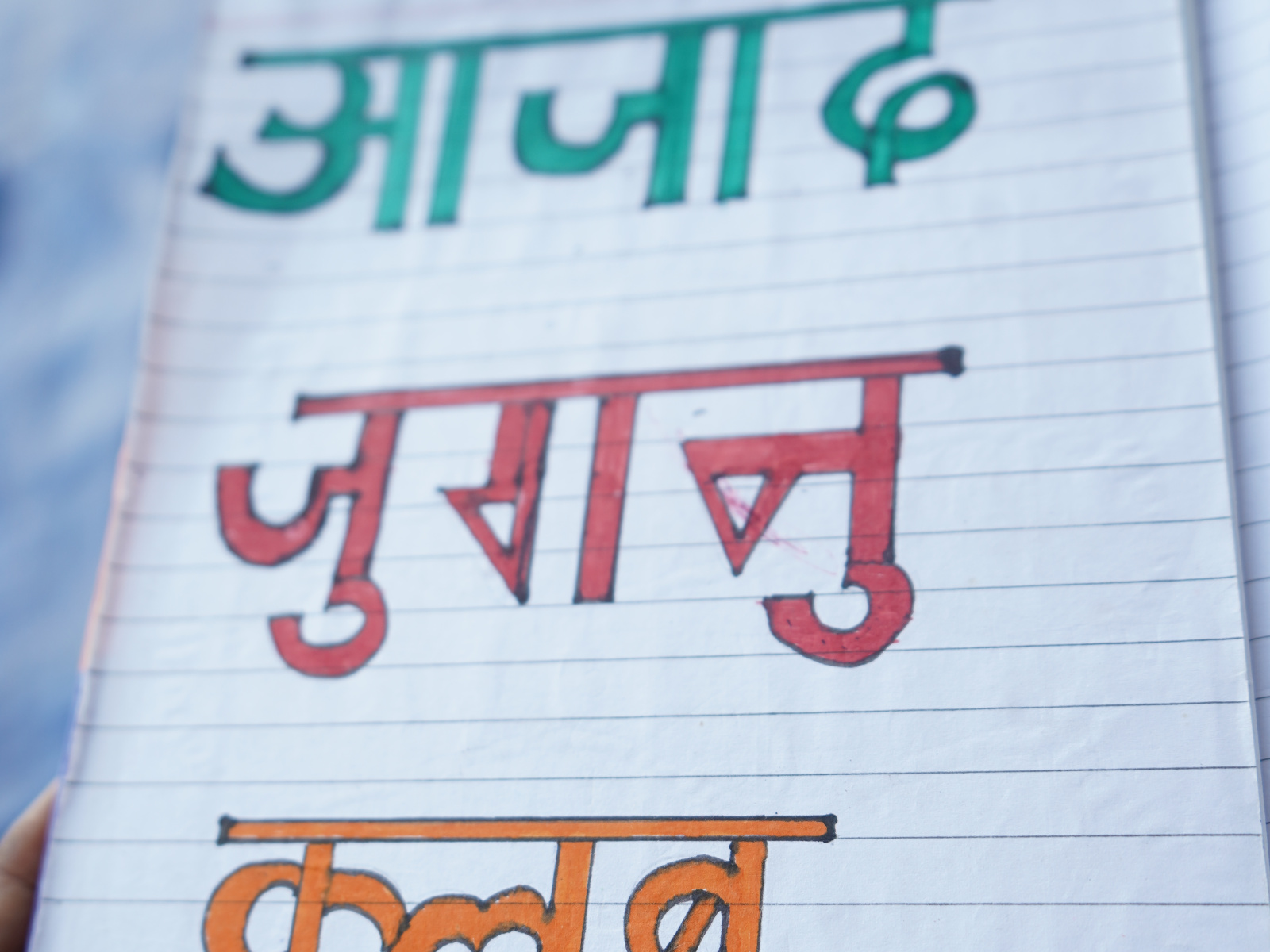
Azad Jugnu Clubs, where children collectively raise issues around discrimination, violence, early marriage, schooling and safety, while learning to question systems around them
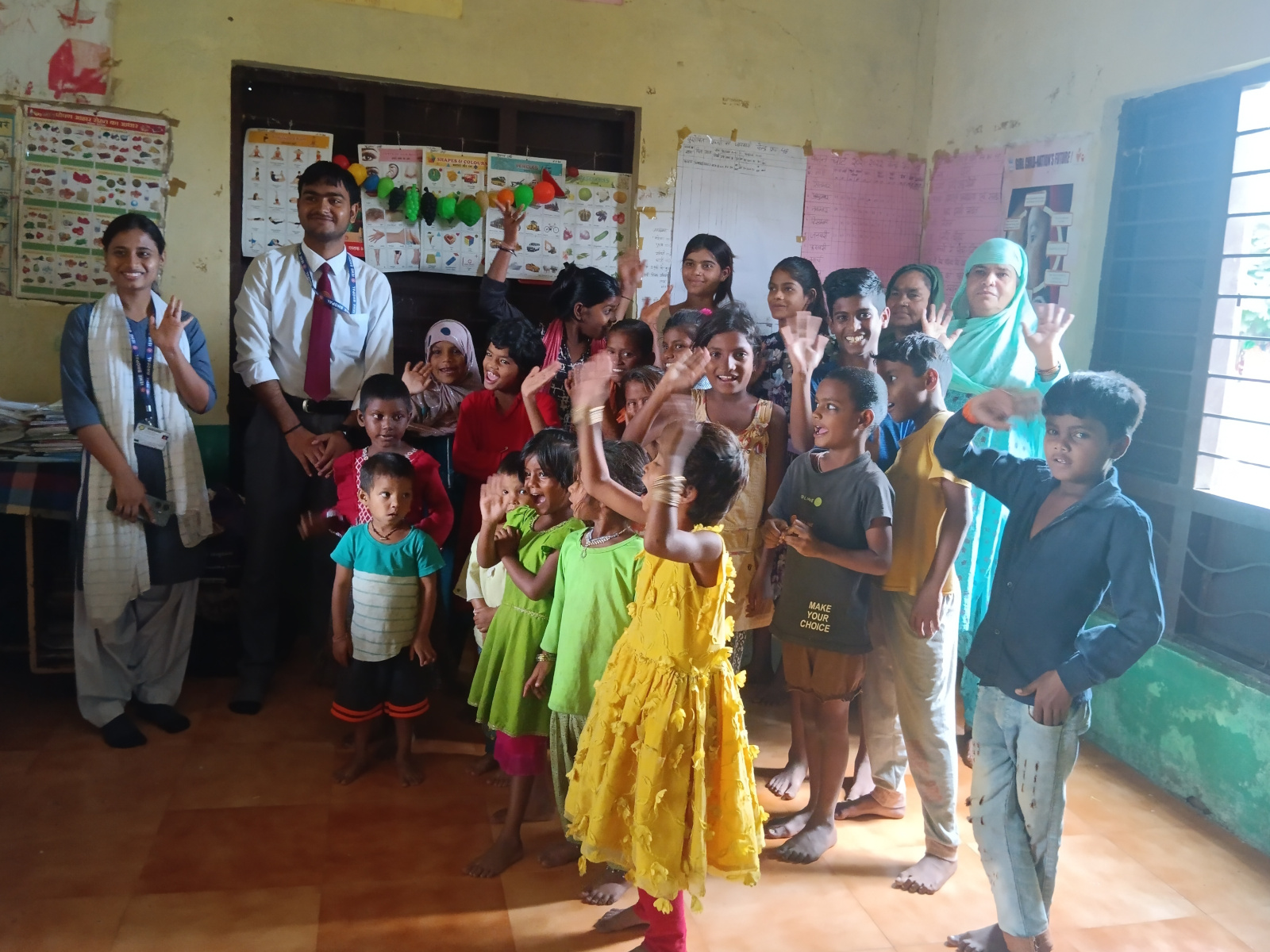
Mental health and healing spaces led by community counsellors who understand trauma not only as an individual experience, but something deeply connected to caste, poverty, gender and historical violence
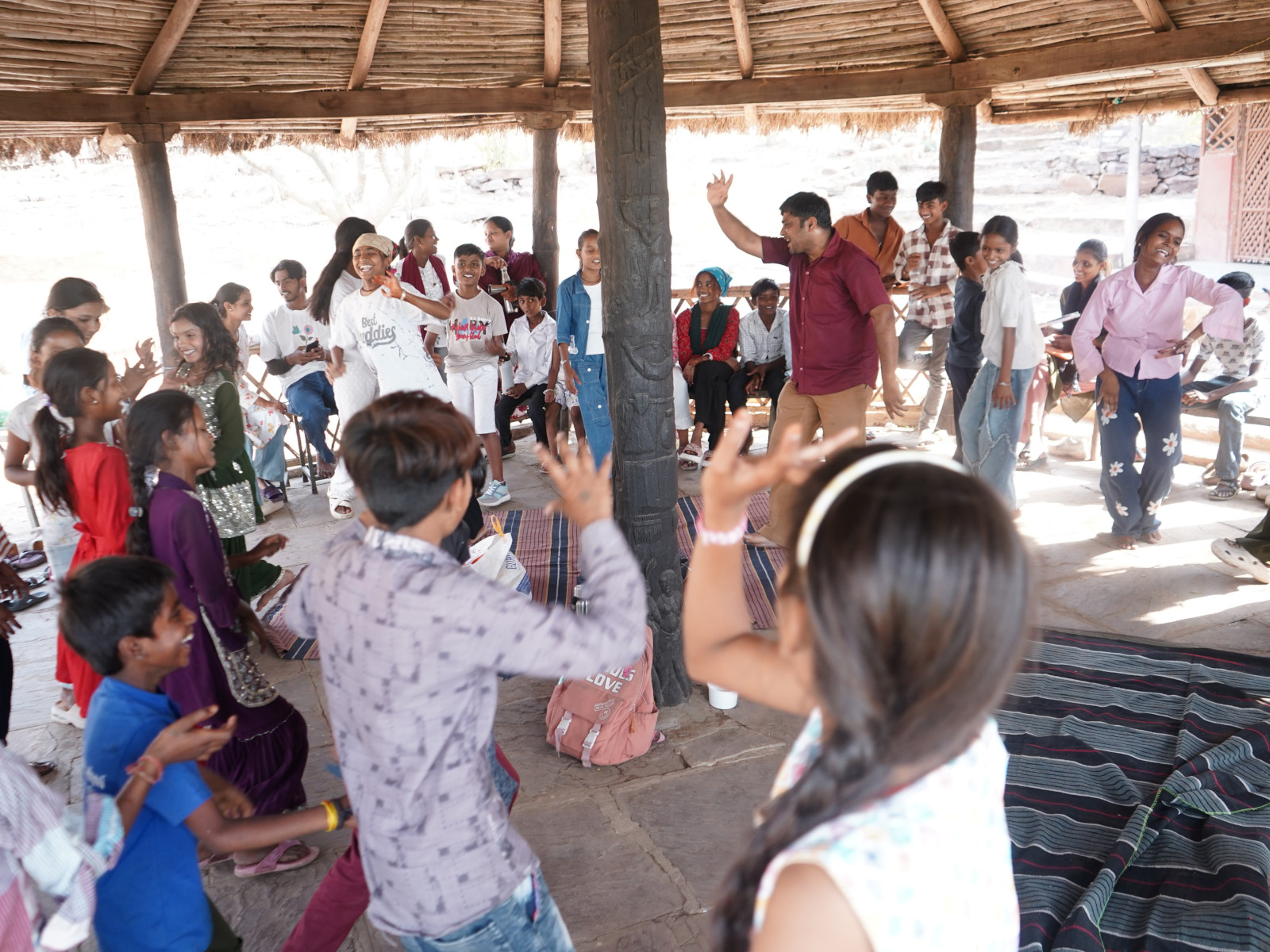
Youth leadership spaces where young people reflect on identity, justice, gender, community histories and organise around issues affecting their lives
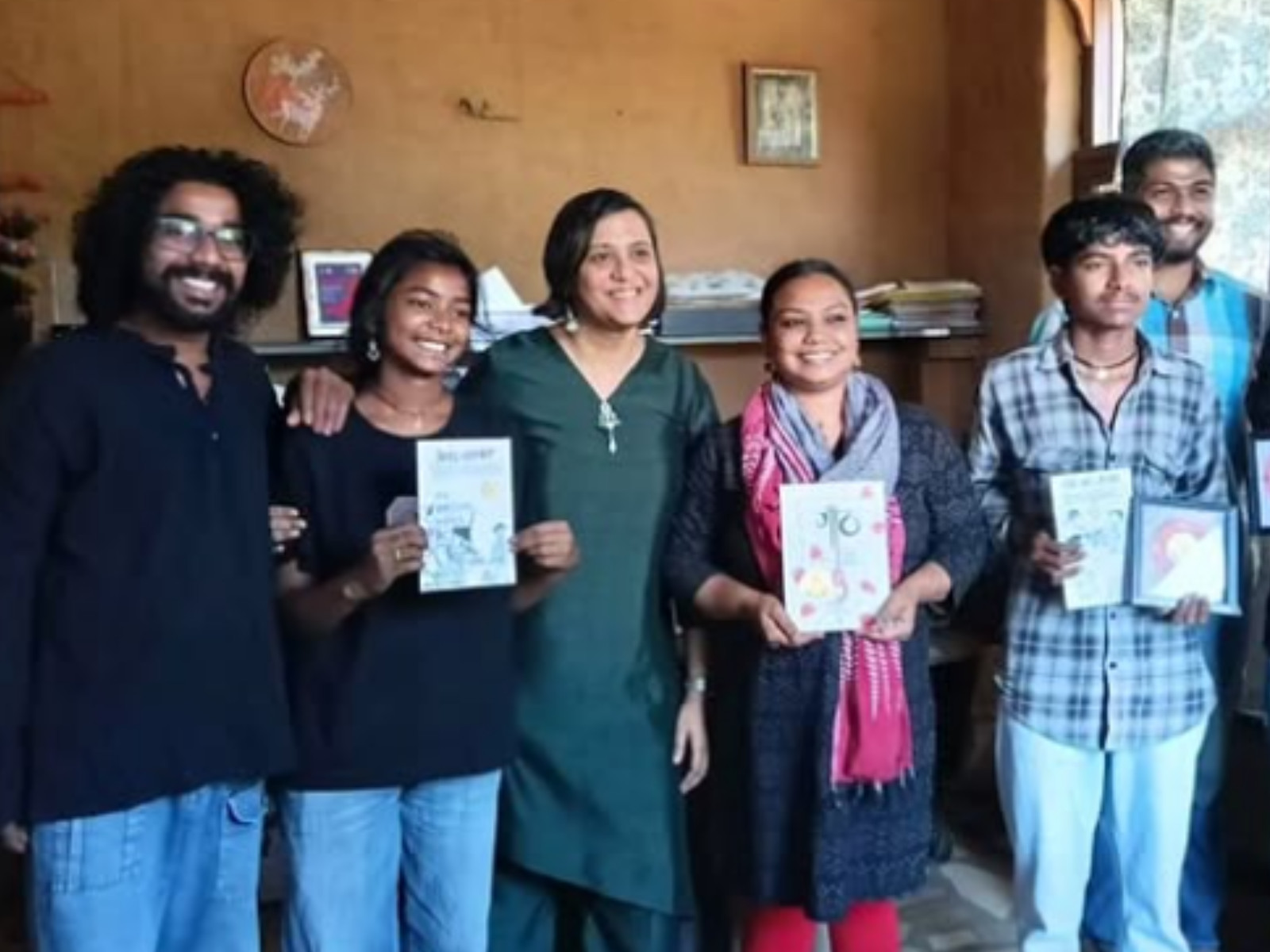
Children’s literature and publications created with communities, where children finally see their languages, humour, food, homes and experiences represented with dignity
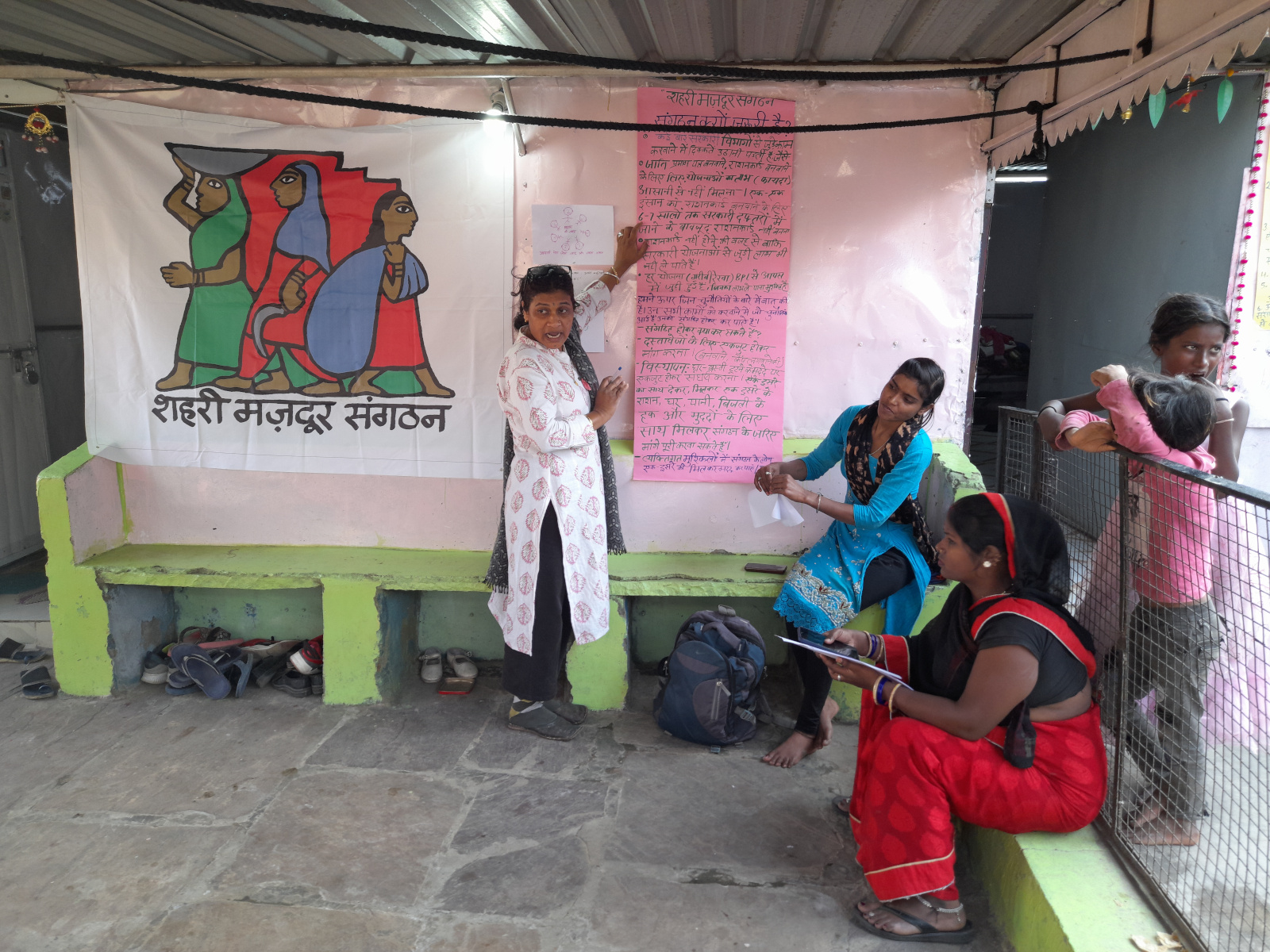
Rights and advocacy work around caste certificates, documentation, police violence, access to education and state welfare
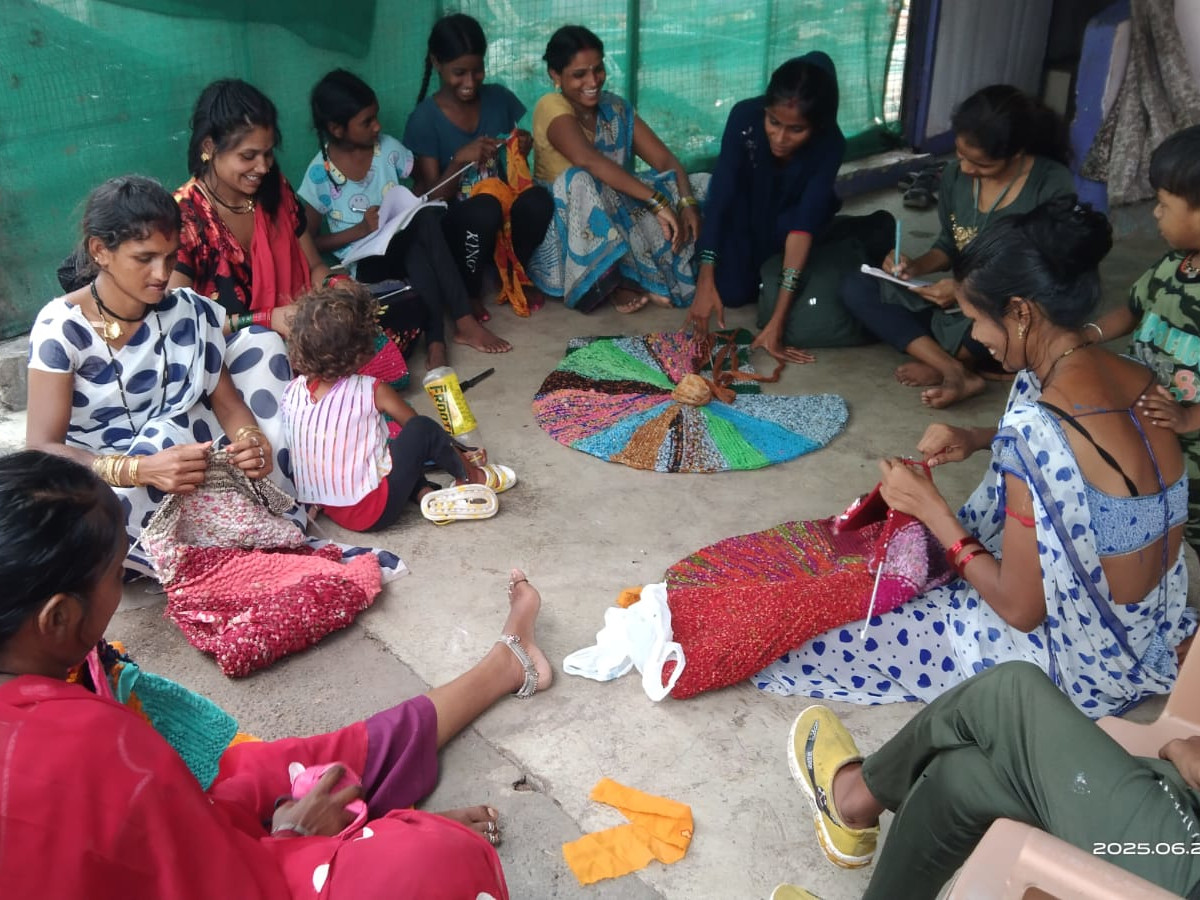
Livelihood initiatives supporting women and youth in building collective economic alternatives
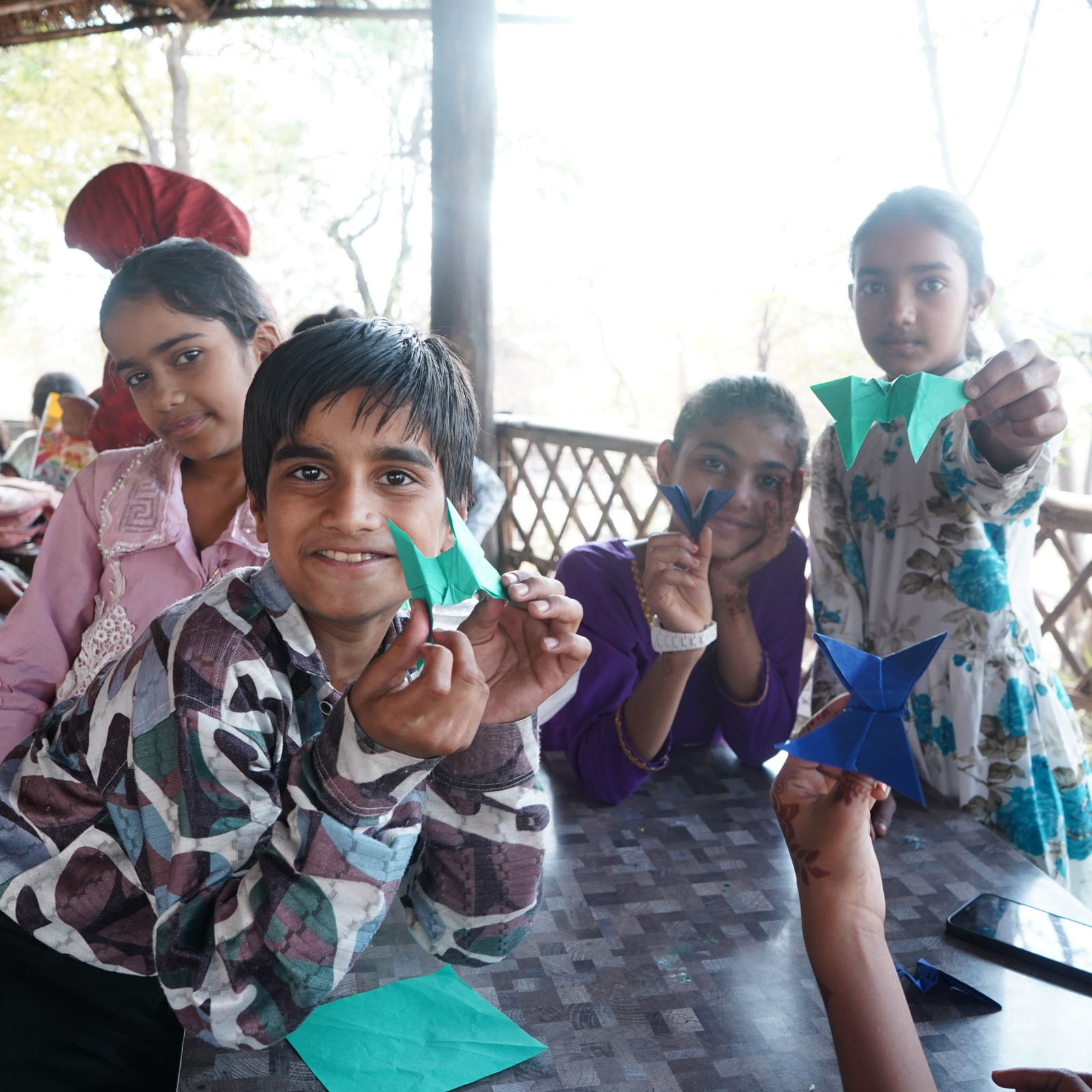
At Muskaan, communities are not viewed as passive recipients of change. They are already resisting, rebuilding, questioning, creating and leading.
Our role is to stand beside these journeys - helping hold spaces where people can speak, heal, organise, learn, imagine and shape their own futures on their own terms.